
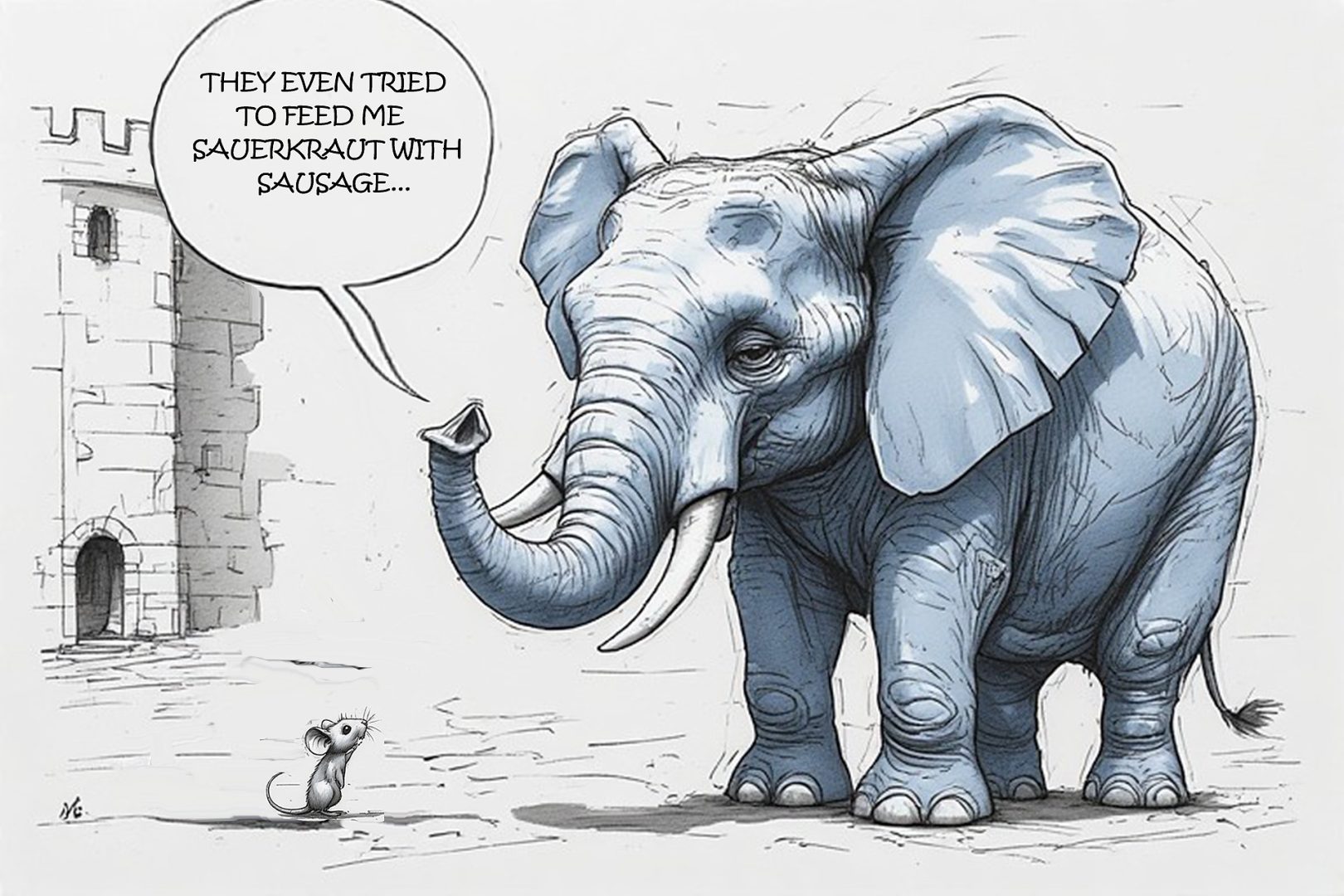
There are hundreds of examples that attest to the evolution of cultural diplomacy, but only a few political gestures of great historical significance can best illustrate it. In 801 AD, Harun al-Rashid, the Caliph of Baghdad, sent envoys laden with precious gifts—including gold, manuscripts and… an elephant—to the court of Charlemagne, Emperor of the Holy […]
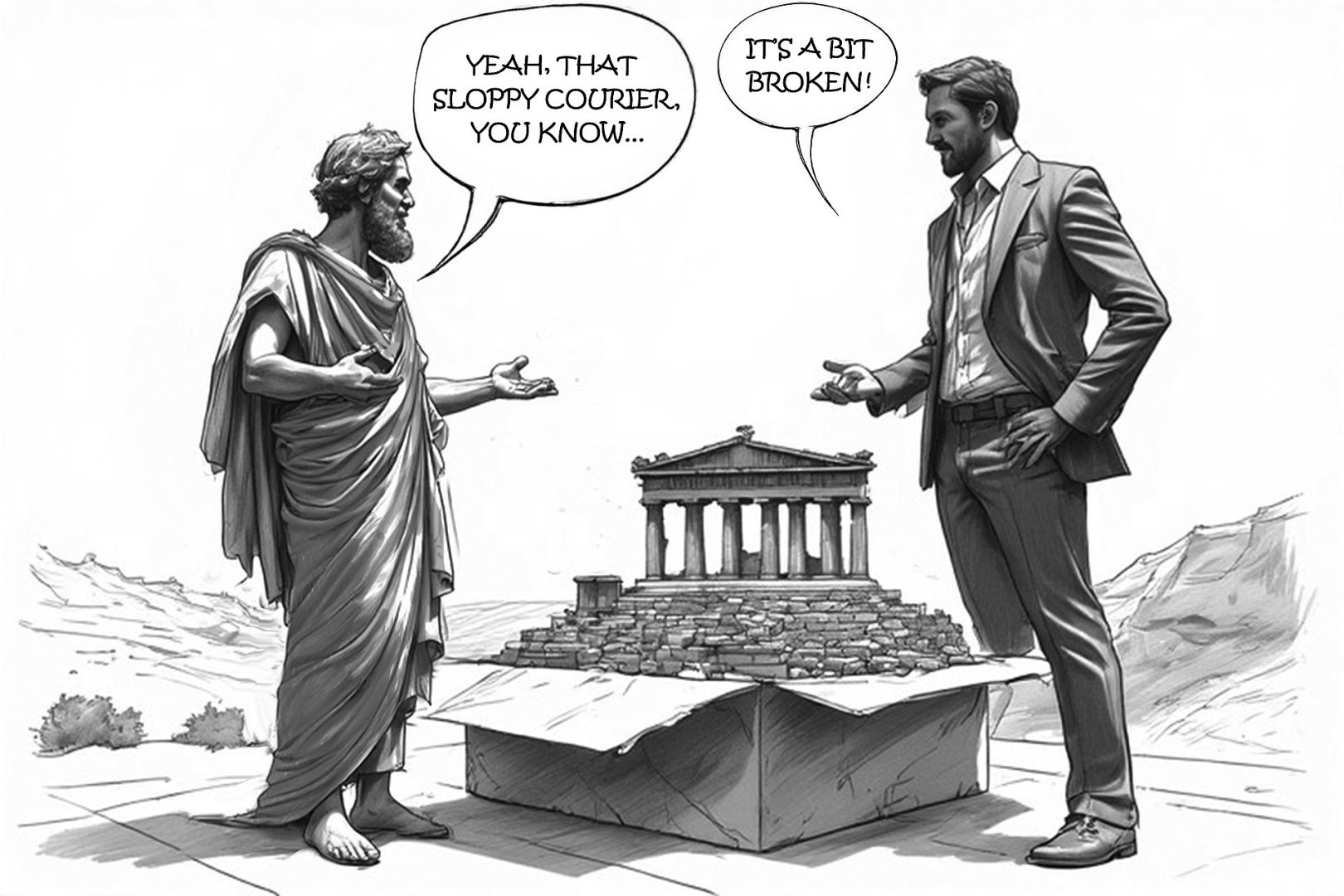
Any significant cultural achievement becomes, over time, a heritage for future generations, not only strengthening their identity but also empowering them to engage in global politics and to be a distinct voice in the choir of voices that shape the major trends in human evolution: the richer the heritage, the stronger the voice.
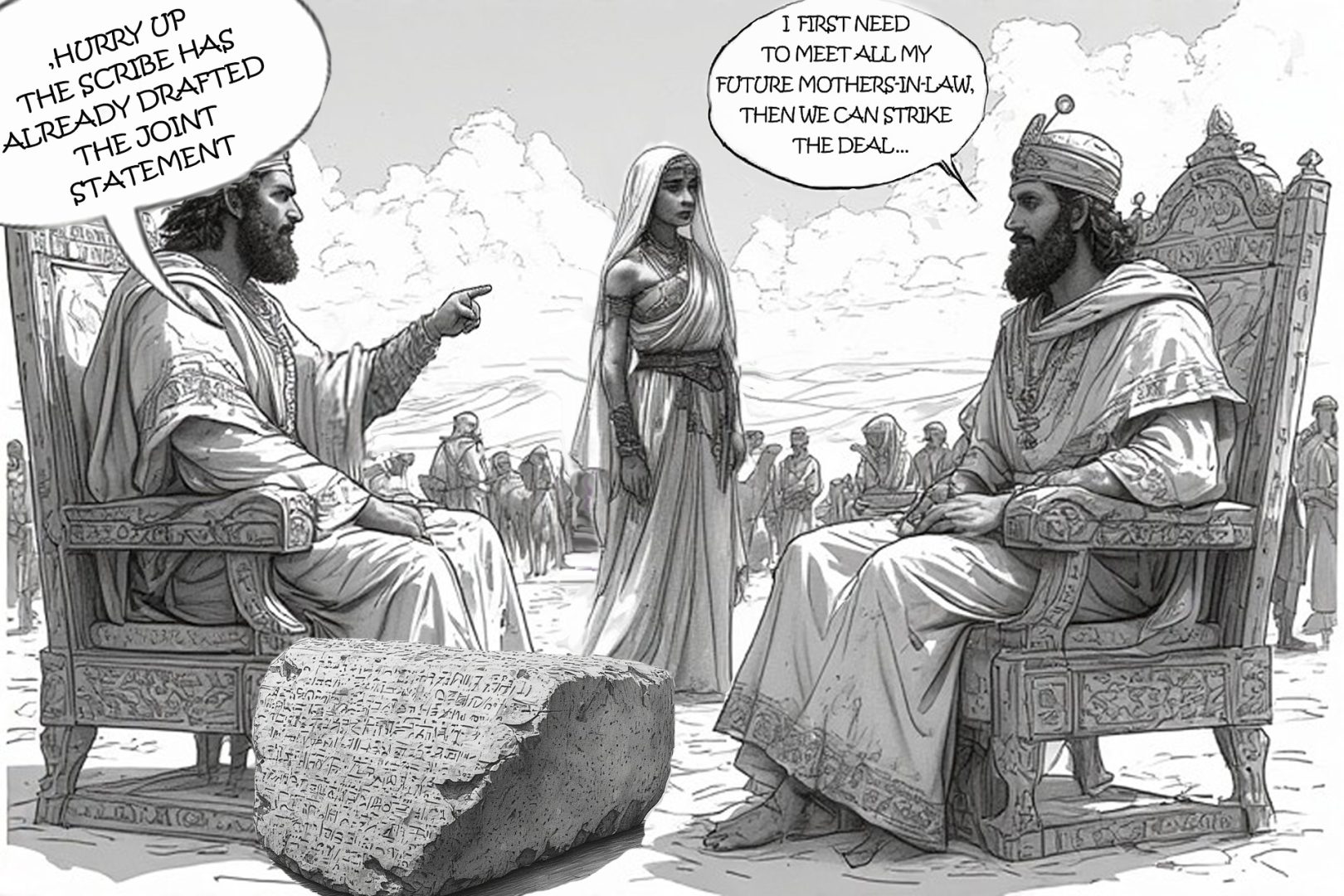
From the earliest times, the elements of cultural diplomacy have been evident, albeit in an unsystematic way, in the exchange practices between nascent states: trade, intermarriage, and the spread of religious ideas — all of which involved linguistic contact, translation, and, later, literacy.
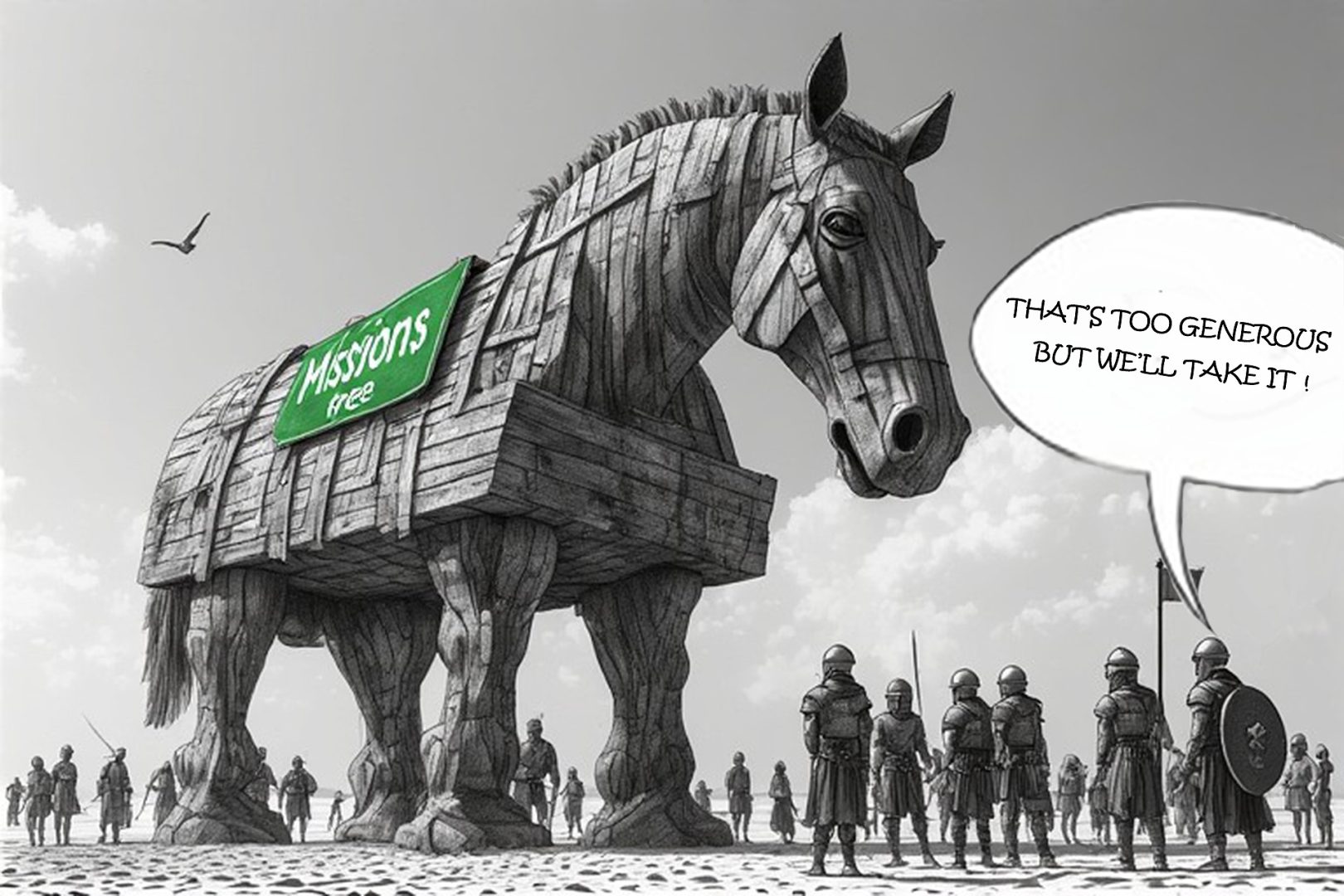
Diplomacy itself is a cultural phenomenon, since it involves skills that are not innate but must be acquired and cultivated. That is why it is only natural for culture to serve as a vehicle for diplomacy, allowing the arts, traditions, values, and heritage of a national culture to cross borders to encounter otherness and foster […]