Final exhibition
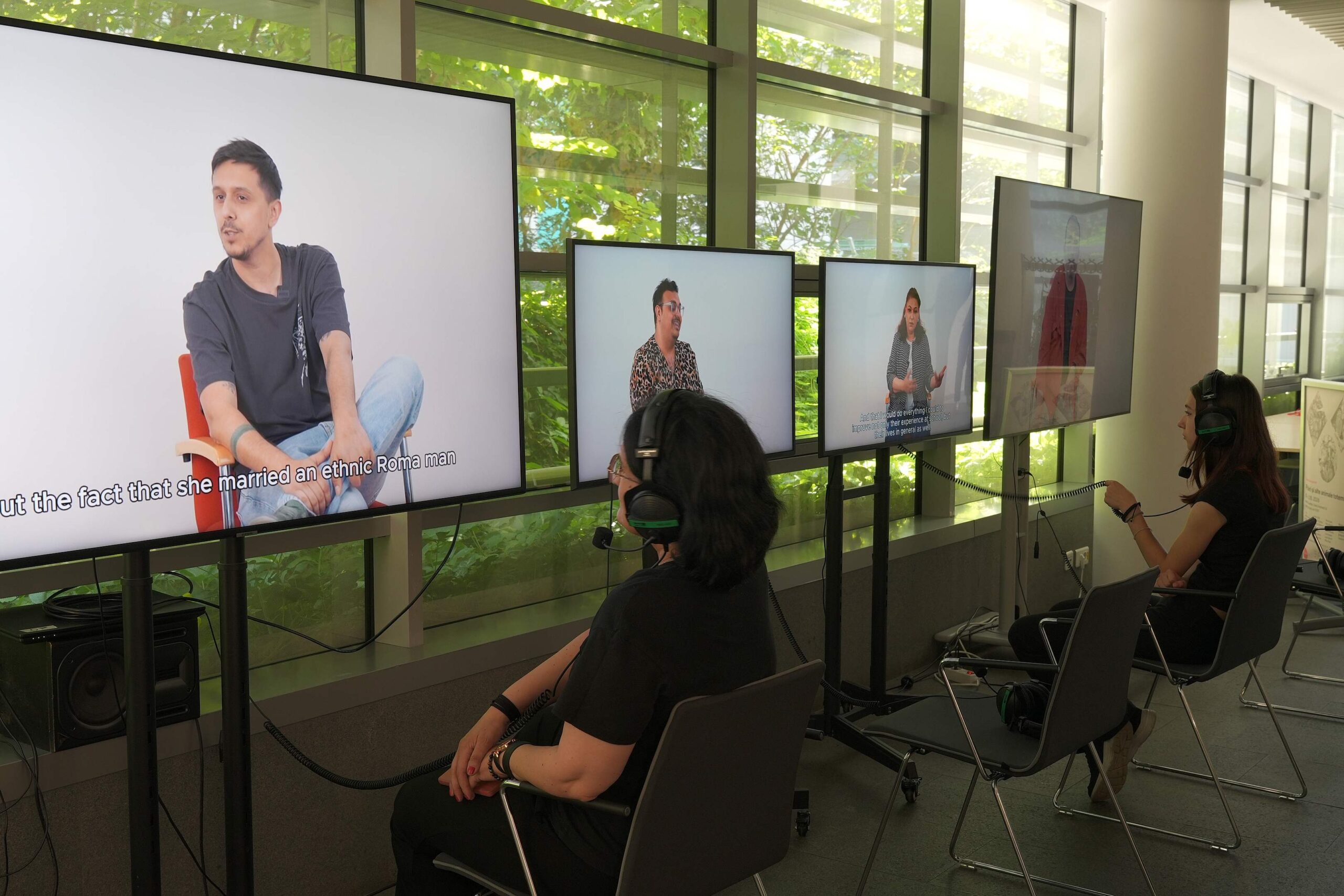
An interactive journey through the memory, culture, and Roma representation is an exhibition organized by the Goethe-Institut Bucharest as part of the NARDIV – United in Narrative Diversity project, funded by the European Union. It explores the history, culture, and representation of Roma communities in Romania, inviting visitors to critically reflect on the images and narratives that have shaped public perceptions of Roma people over time.

From the Edge to Shared Agency
Three NARDIV Summer Schools as Laboratories of Cultural Co-Design
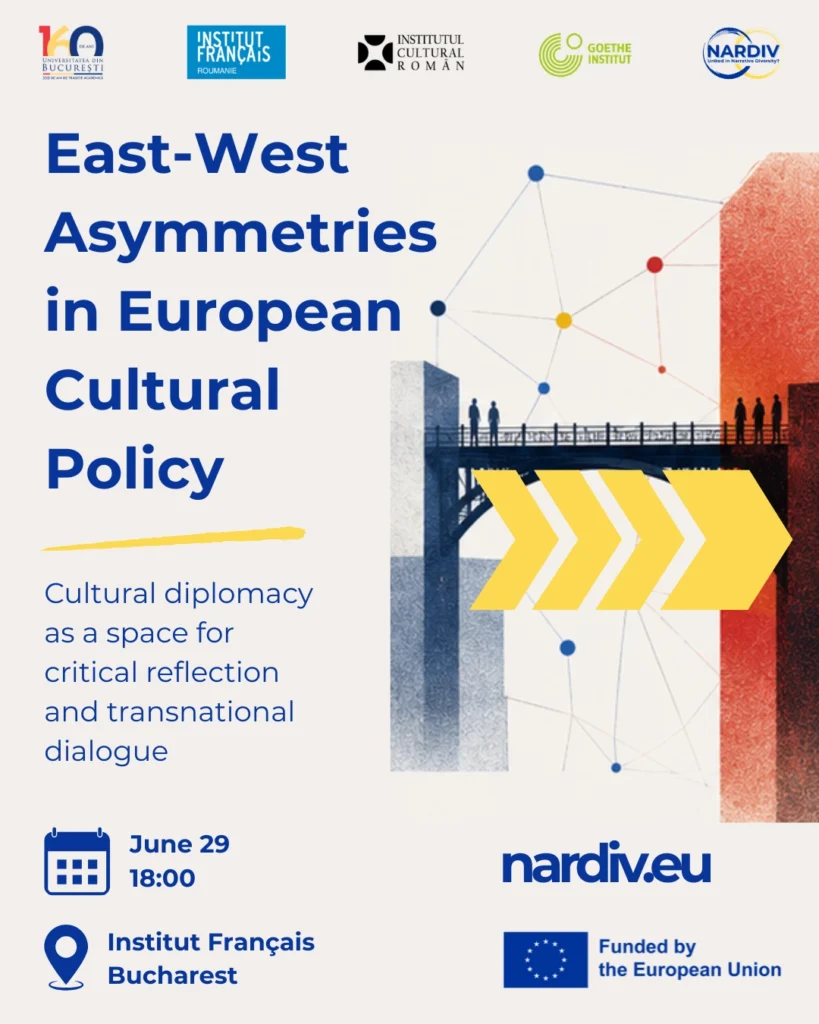
NARDIV Panel: East-West Asymmetries in European Cultural Policy
On 29 June at 18:00, the Institut Français in Bucharest invites the public to a discussion on one of the key challenges of contemporary European
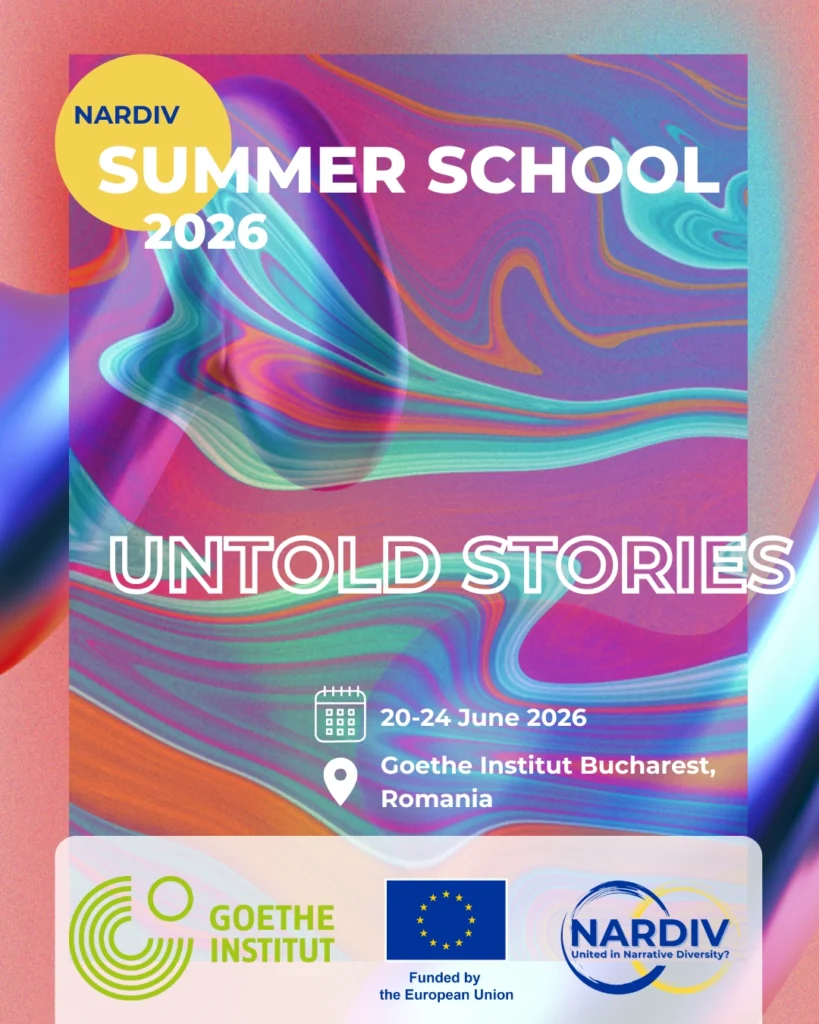
NARDIV Summer School 2026: Untold Stories
Exploring Roma history, minority narratives and cultural memory in Bucharest From 20 to 24 June 2026, the NARDIV Summer School 2026 turns the Goethe Pavilion
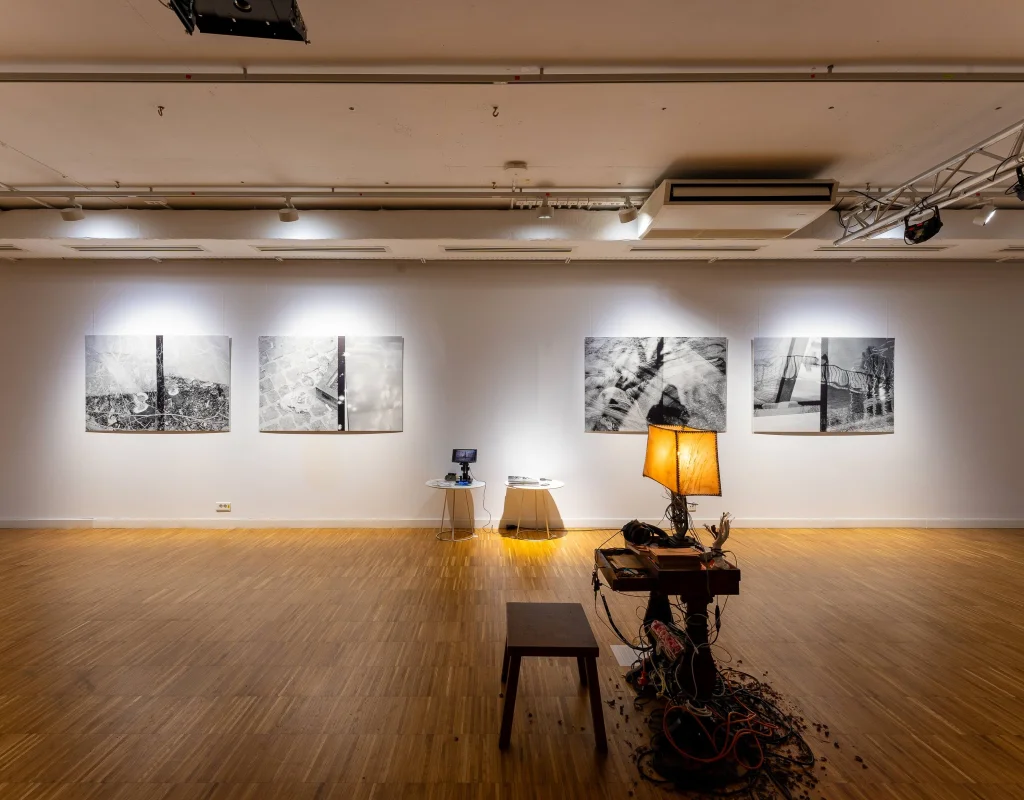
Permormative Installation: In the Loop of Cultural Times: 45 Years of Goethe-Institute in Romania
Bucharest – RomaniaLead: AMU – Aix-Marseille University (AMU)Work Package 5 11. – 17. February 2025 Problems to be addressed On November 26, 2024, Goethe-Institute celebrated
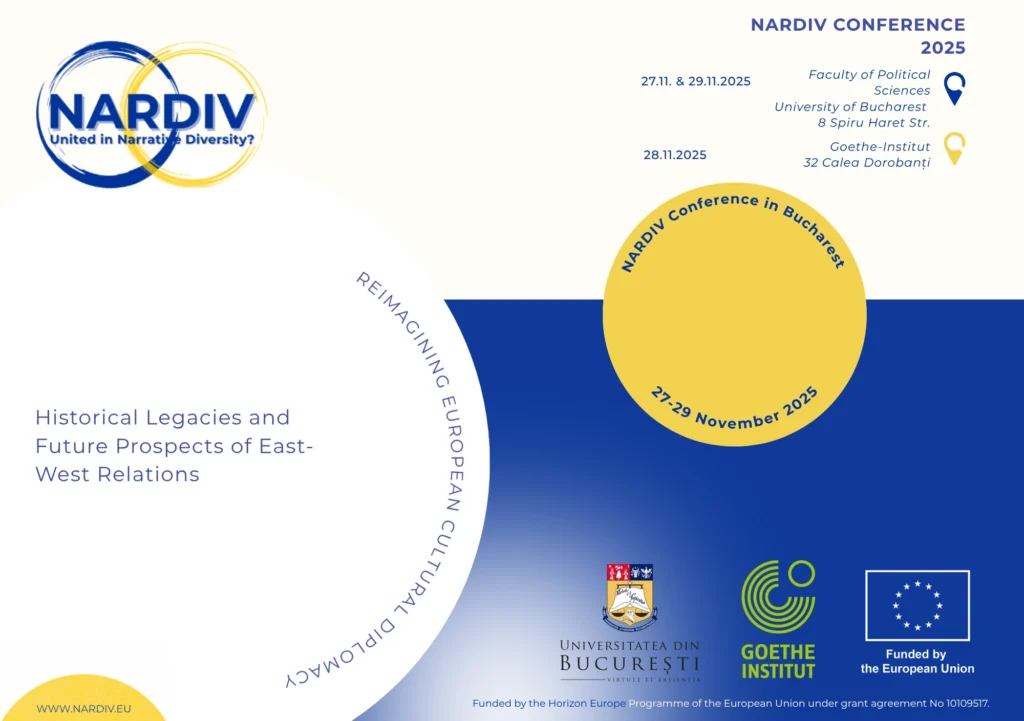
Reimagining European Cultural DiplomacyHistorical Legacies and Future Prospects of East-West Relations
Over three days, from November 27 to 29, 2025, the international conference “Reimagining European Cultural Diplomacy. Historical Legacies and Future Prospects of East–West Relations” took
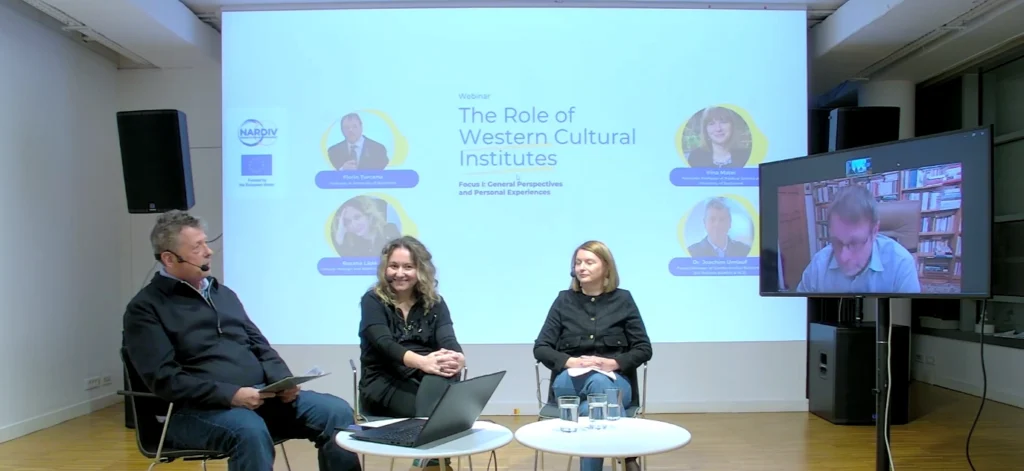
Webinars
The Role of Western Cultural Institutes I: General Perspectives and Personal Experiences 30.10.2025 The first session of the two-part NARDIV webinar series examined how Western
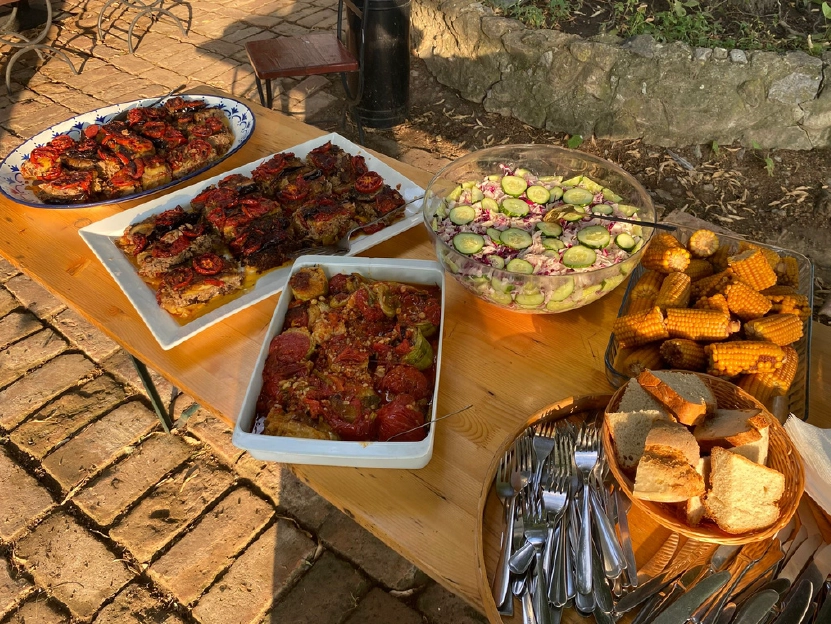
Ciorbă & Conversations
NARDIV Summer School 2025 Ciorbă & Conversations is a multilingual (German–French) culinary booklet by summer school participants Franziska Abele, Alina Cruceru, Fynn Eckart, and Aleksandr
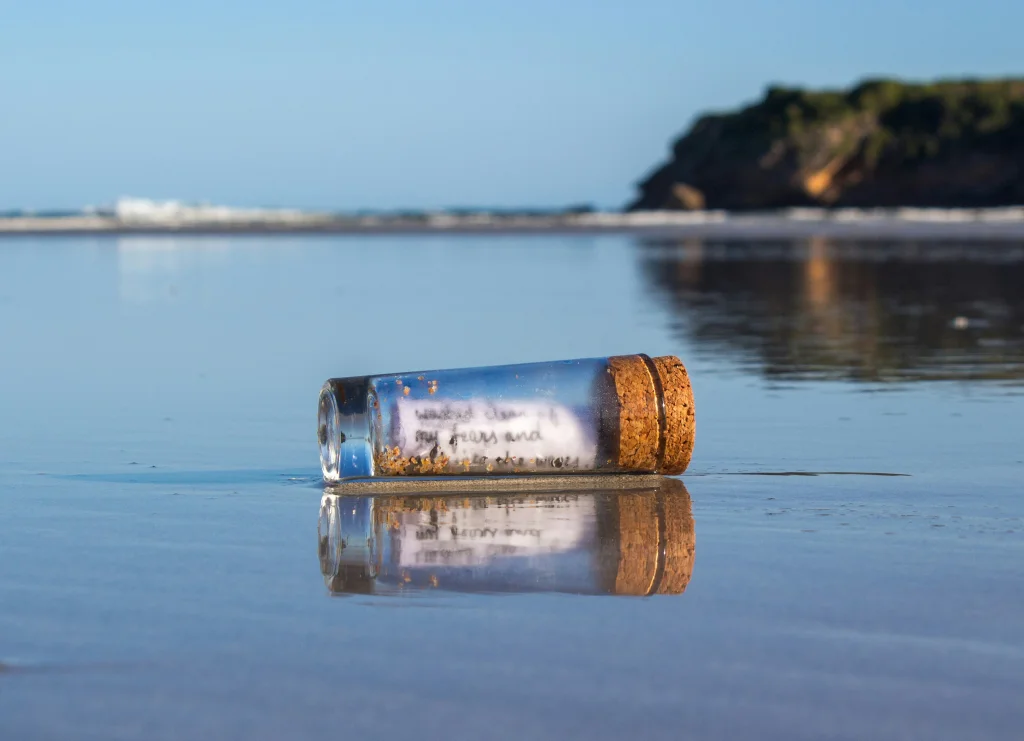
Donaupost – Voices of the Danube Project
NARDIV Summer School 2025 The Danube flows through ten countries over its 2,850 kilometers – more than any other river in the world. It has
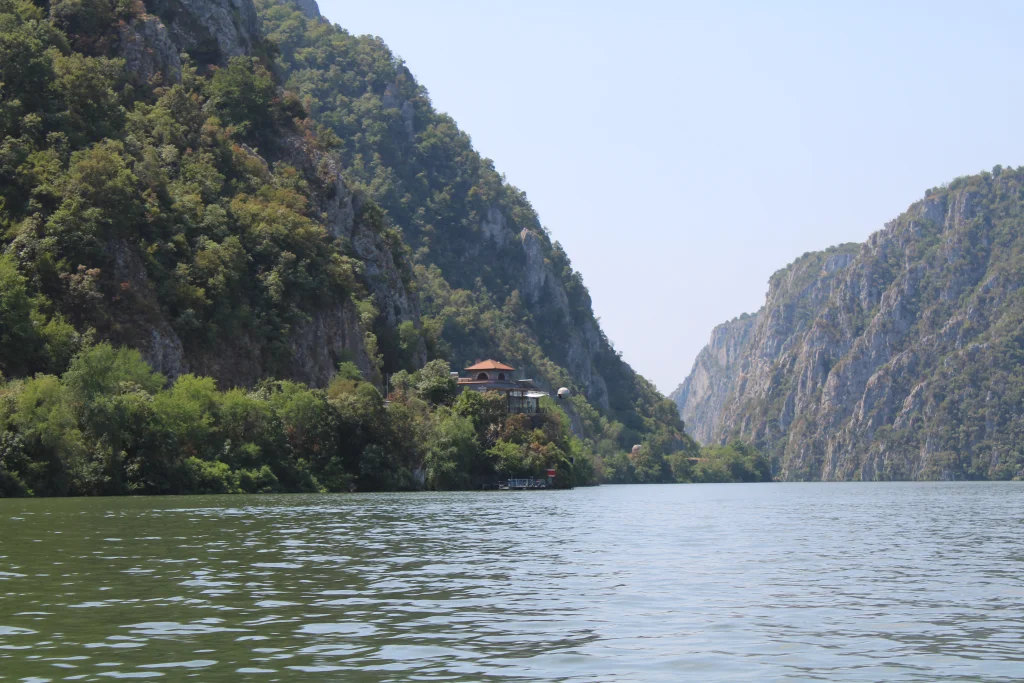
Residency for Writers and Translators from the Danube Region – Voices of the Danube Project
NARDIV Summer School 2025 From the Black Forest to the Black Sea, the Danube flows through ten countries – and just as many languages, stories
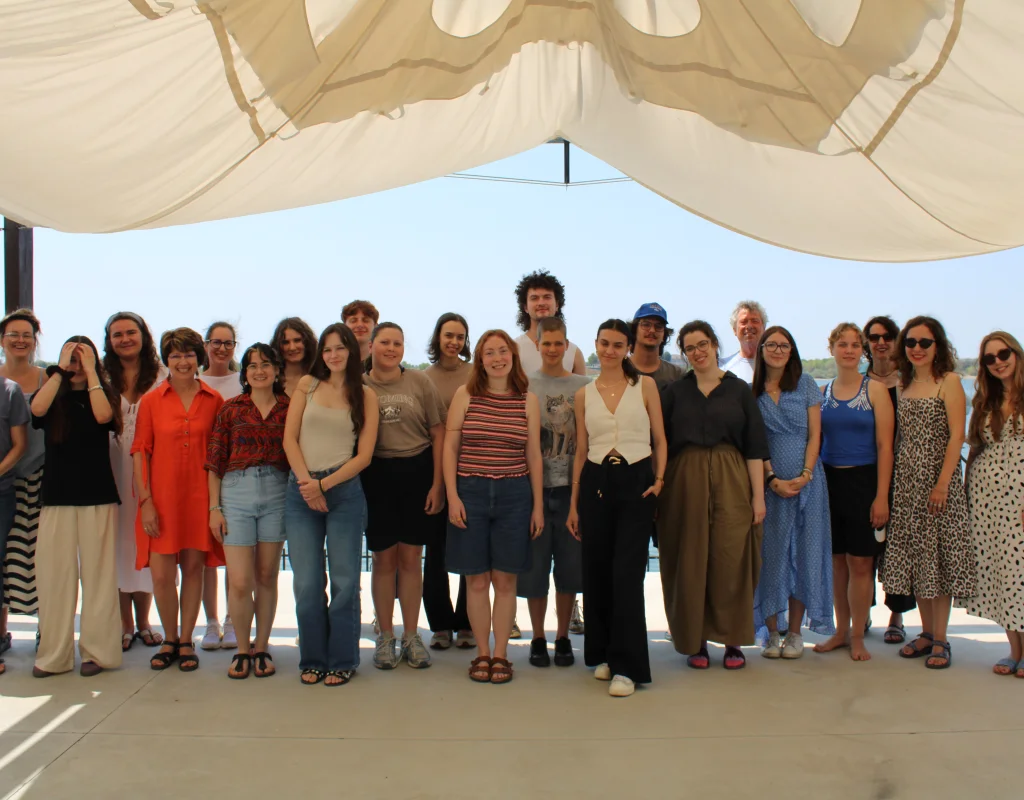
NARDIV Summer school: Cultural Mediators Between East and West Europe
Port Cetate – RomaniaLead: UvA- Universditeit van AmsterdamWork Package 2 20. – 26. July 2025 Problems addressed Against the backdrop of growing geopolitical tensions, nationalist
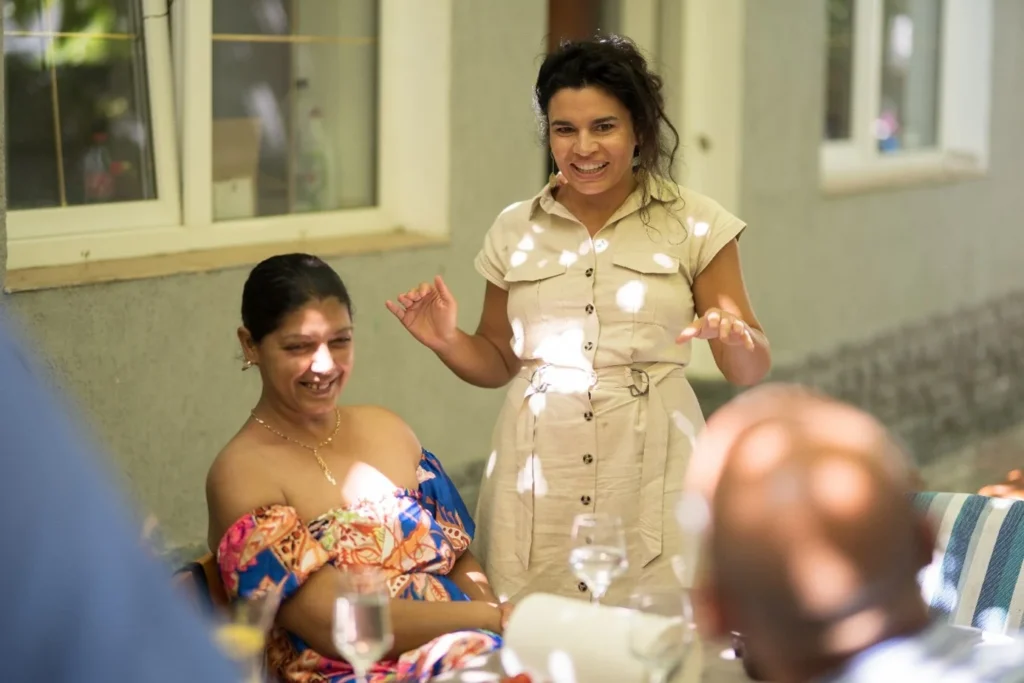
The freedom to simply be human
Interview with Alina Șerban by Ismael Cortés Roma actress and filmmaker Alina Șerban speaks with Ismael Cortés about her journey challenging stereotypes, reclaiming narrative power,
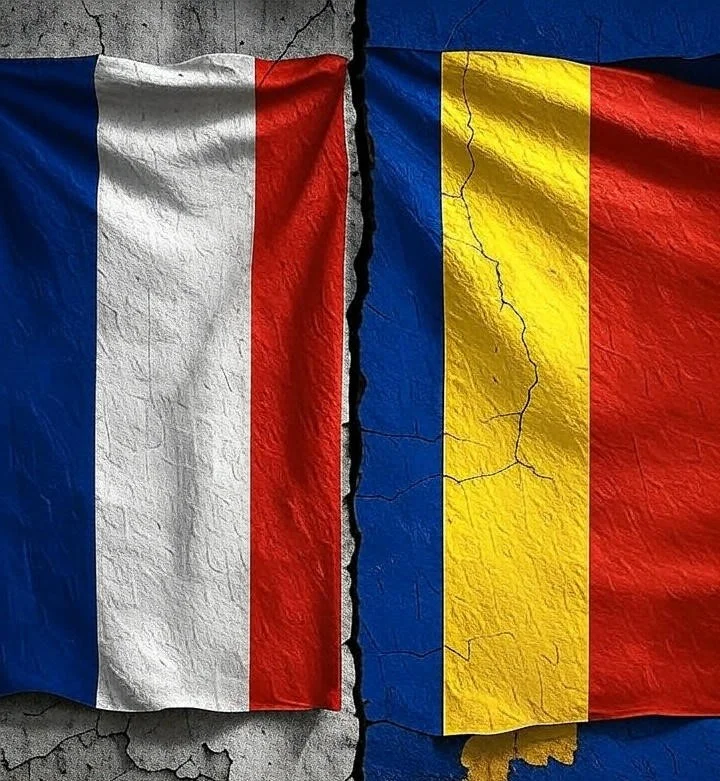
French cultural diplomacy and the dawn of political science in Romania
In this article, Cristian Preda explores how French cultural diplomacy influenced the emergence of political science in post-communist Romania, highlighting the role of academic institutions
Exploring Cultural Diplomacy and German-Romanian Cultural Transfer Through the Lens of Academic Research and Artistic Practice
This blog post explores German-Romanian cultural diplomacy through academic inquiry and artistic practice. Focusing on the Goethe-Institut Bucharest—opened in 1979 under Romania’s communist regime—Lapadat examines
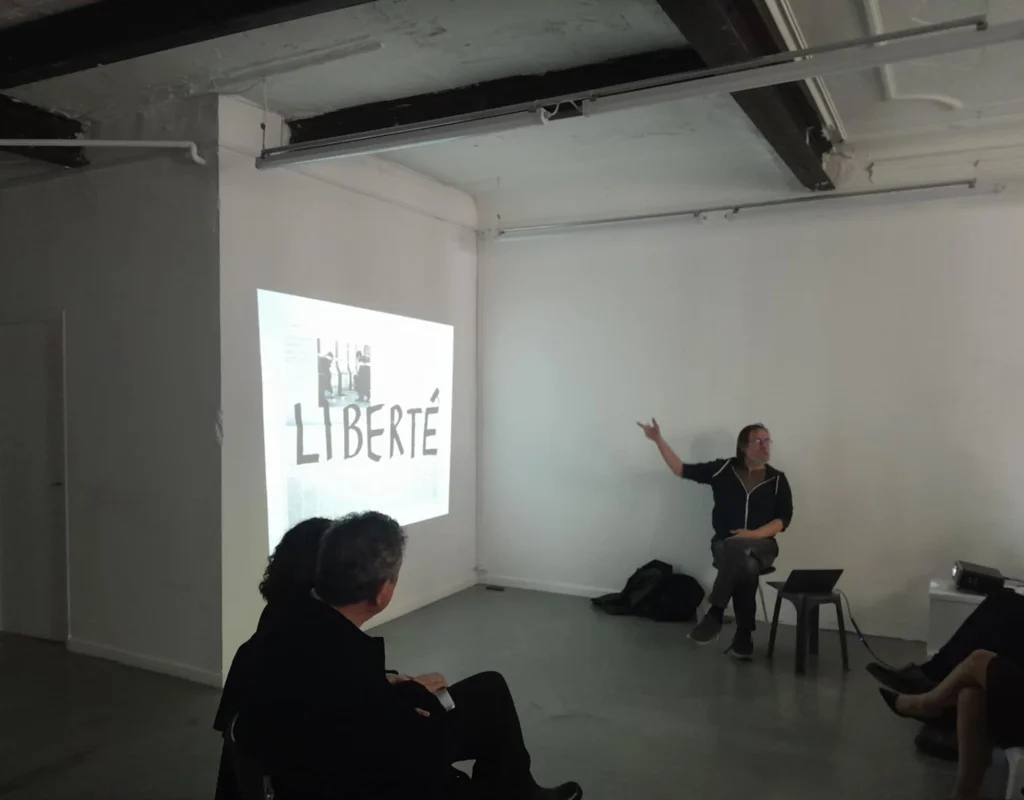
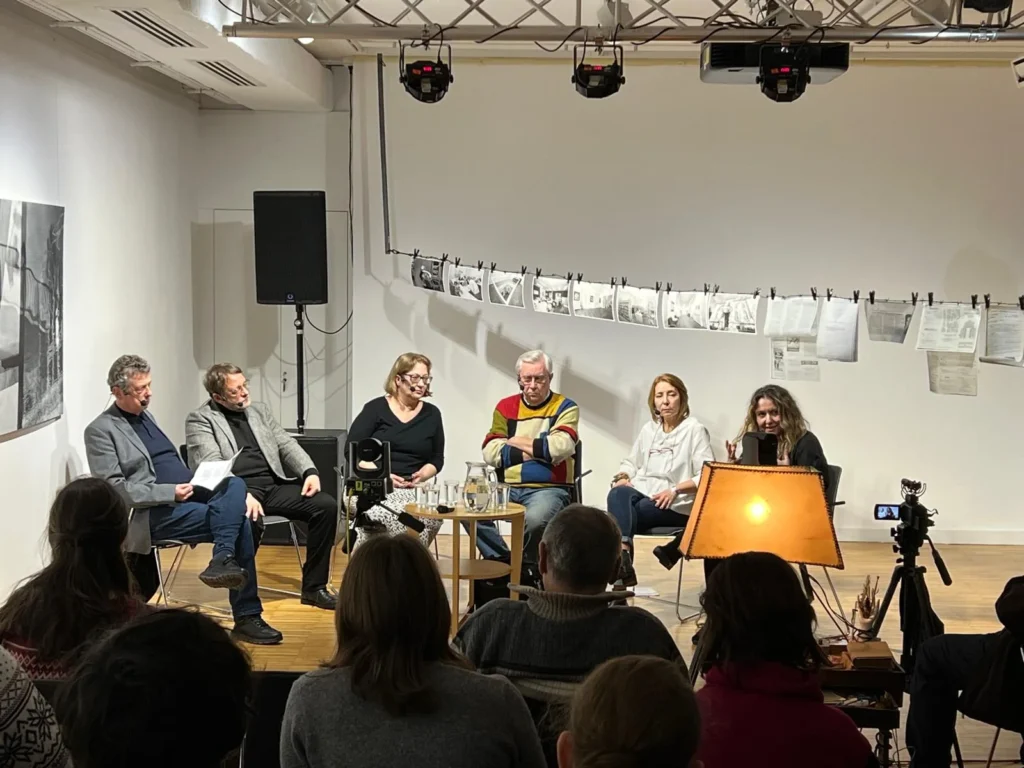
Workshop & Debate: Contemporary Art in Europe Facing East-West Tensions – Dialogue, Inclusion or Domination?
Berlin – GermanyLead: AMU – Universite D’AIX MARSELLEWork Package 5 Problems addressed The workshop and debate with renowned Romanian artist Dan Perjovschi offered a dynamic
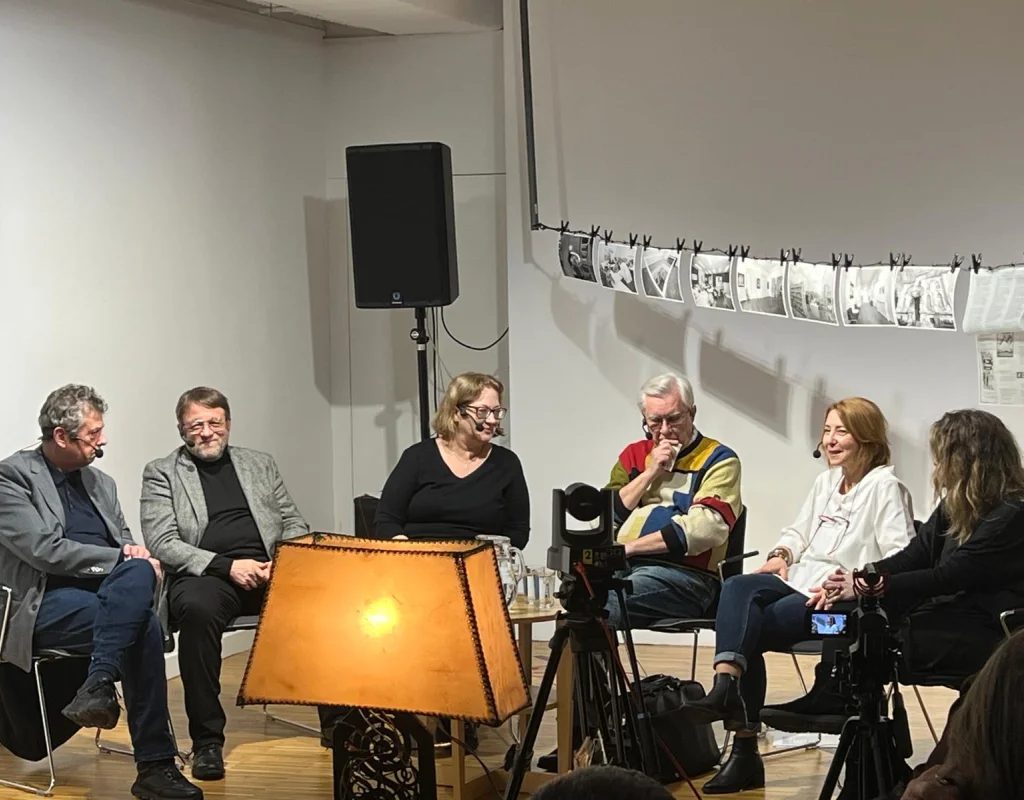
Finisage & Discussion: Liberty Through Culture?
Bucharest – RomaniaLead: AIX-MARSEILLE UNIVERSITY (AMU)Work Package 5 Problems to be addressed 100 years after the opening of the French Institute in Romania, 45 years
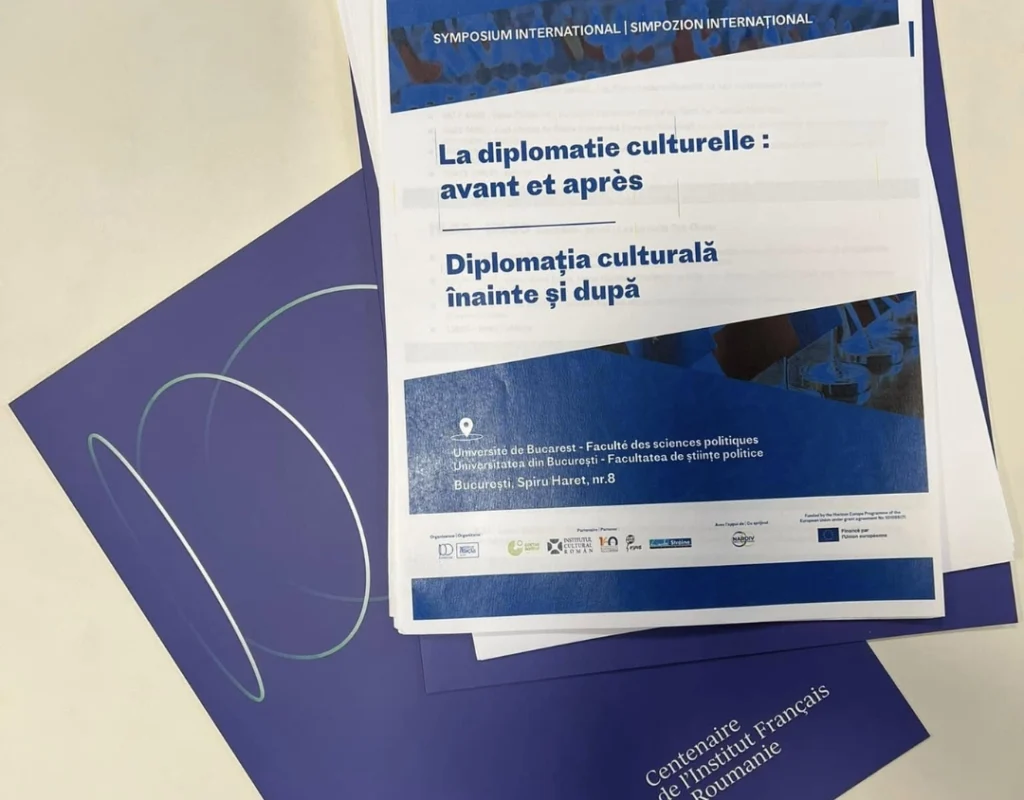
Symposium: Cultural Diplomacy – Before and After
Bucharest – RomaniaLead – Institut Français de Roumanie (IFRo)Work Package 5 28-29. November 2024 Problems to be addressed Target groups The Questions for this event
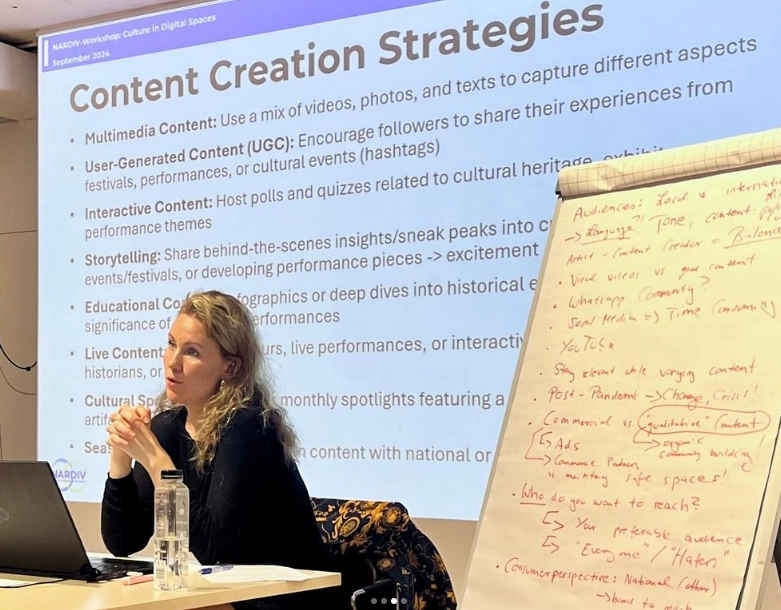
Workshop: Culture in Digital Spaces
Bucharest – RomaniaLead: HAW HamburgWork Package 6 11. – 12. September 2024 Problems to be addressed The “Culture in Digital Spaces: Utilizing Social Media as
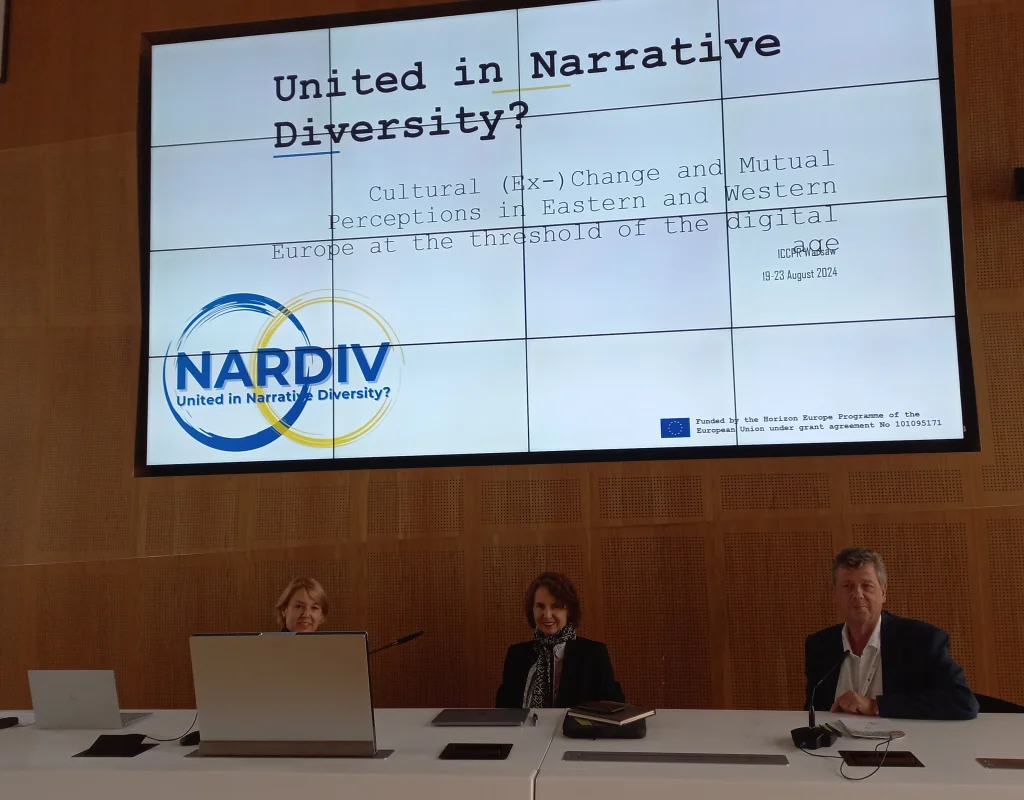
Roundtable: Strategies of Foreign Cultural Policy at the Time of Crisis. From Traditional Soft Power Tool to Building Civil Society
Warsaw – PolandLead: University of Wrocław (UWr)Work Package 3 19. – 23. August 2024 Problems to be addressed The Roundtable at the International Conference on
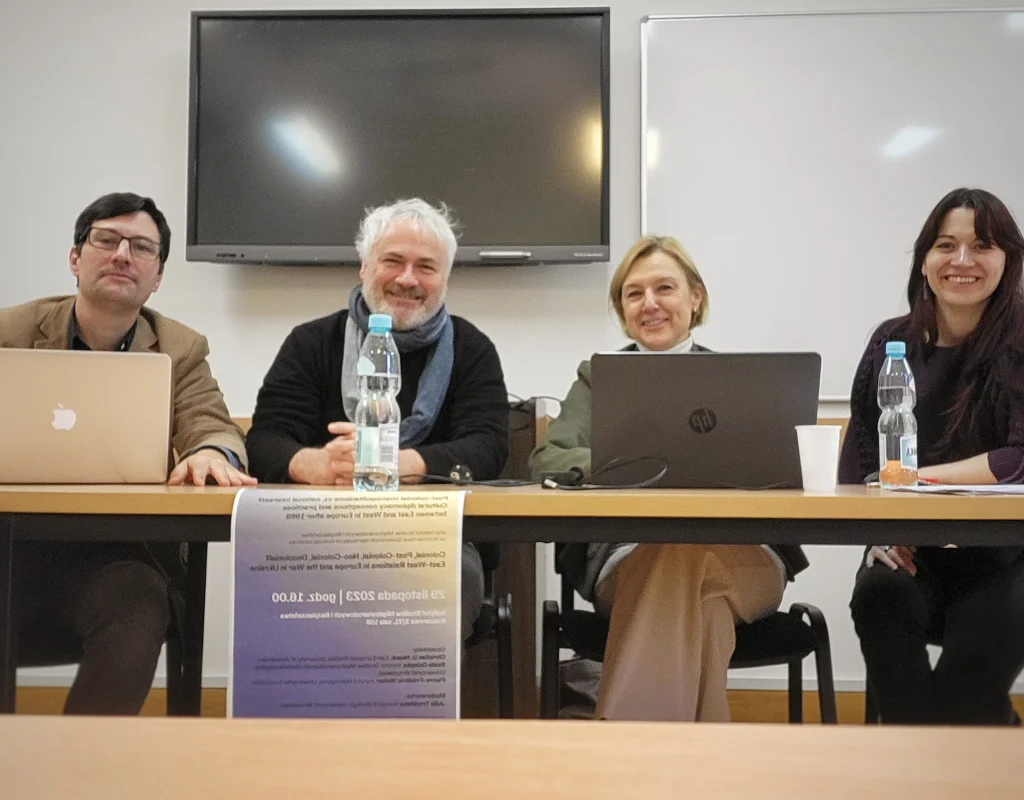
Workshop & Open Panel: Colonial Post-Colonial Neo-Colonial Decolonial? East-West Relations in Europe and the War in Ukraine
Wroclaw – PolandLead: University of Wrocław (UWr)Work Package 3 29. – 30. November 2023 Problems to be addressed The event was focused on the applicability